
Safeguarding Market Integrity Through Financial Crime Compliance
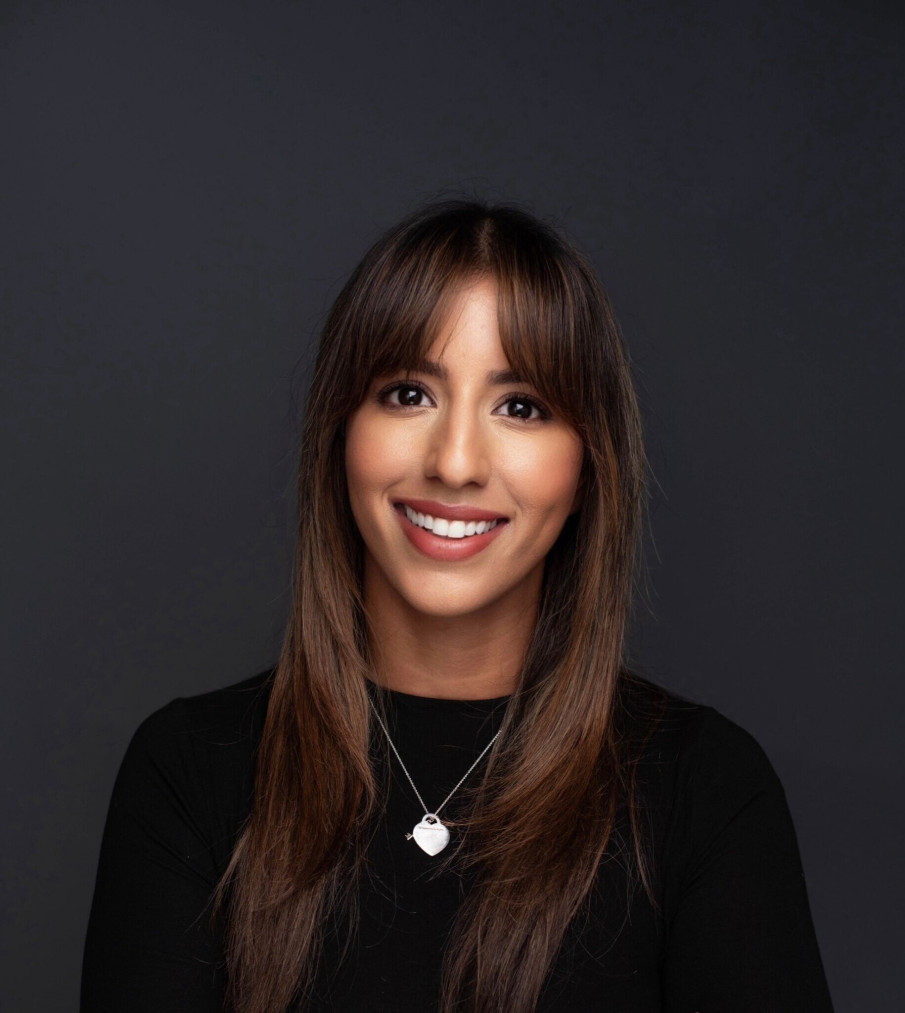
Strong compliance and governance are essential to maintaining trust and integrity in fast-moving financial markets. In this International Women's Day Q&A, we speak with Sofia, DRW’s Money Laundering Reporting Officer (MLRO) and EU & UK Financial Crime Compliance Officer, about her career in financial crime compliance, the increasing role of technology in AML oversight, and why disciplined compliance frameworks are a critical enabler of performance, resilience, and long-term growth at DRW.
What led you to a career in Financial Crime Compliance, and how did the journey bring you to DRW and the role of Money Laundering Reporting Officer (MLRO)?
I studied Criminology and Social Policy BSc (Hons) at Loughborough University, where my curiosity was sparked by understanding criminal behavior and the role social norms play in shaping it. Alongside this, I developed a strong interest in how financial markets operate, which led me to combine these disciplines and pursue a role in financial crime compliance.
I began my career in 2015 as an intern in the Financial Crime Compliance team at Nomura, before joining Goldman Sachs as a full-time employee in their Financial Crime team. Since then, I have held a range of compliance roles across both buy-side and sell-side institutions, including data-driven firms such as Citadel.
Seven years into my career and before joining DRW, I noticed the growing impact of technology on compliance and, in particular, how financial crime detection is being transformed. To stay ahead in this rapidly evolving field, I studied Artificial Intelligence for Business at Saïd Business School, University of Oxford. This gave me the skills to understand how AI will shape AML compliance and surveillance, as well as its broader implications for the industry. This breadth of knowledge and experience positioned me well to take on the roles of Money Laundering Reporting Officer and EU & UK Financial Crime Compliance Officer at DRW.
Can you explain the responsibilities of an MLRO and why this role is critical to AML compliance and financial crime prevention?
As an MLRO, I am responsible for the oversight and execution of DRW’s EU and UK anti-money laundering and counter terrorist financing framework. This includes maintaining AML policies and controls, reviewing suspicious activity, and investigating and reporting suspicious activity where required.
The MLRO role is critical in preventing financial crime because it provides clear accountability, independent oversight, and early detection of illicit activity, especially in fast-moving algorithmic trading environments that can create complex and evolving financial crime risks. As MLRO, it is my duty to protect DRW from these risks which could result in legal, financial, and reputational harm whilst safeguarding the integrity of the wider financial system.
How does effective regulatory compliance support a high-performance trading firm like DRW?
Effective compliance and AML oversight underpin performance at a high-performing trading firm like DRW. Compliance governance and control frameworks protect the firm’s license to operate, preserve access to counterparties, and reduce the risk of fines, sanctions and trading restrictions. Robust surveillance and governance frameworks enable DRW to detect misconduct and financial crime, limiting operational and reputational damage. Additionally, regulatory guardrails are just as important to enable confident decision-making and sustainable growth across products and markets. In short, disciplined compliance and AML frameworks safeguard revenue, credibility, and long-term competitive advantage.
How have financial crime risks and regulatory expectations evolved during your career, and what role have women played in that process?
During my tenure in financial crime compliance, I have seen financial crime risks become far more complex, shaped by geopolitical tensions, evolving sanctions regimes, digital-assets, and increasingly sophisticated criminal behavior while regulatory expectations have shifted from rule-based processes to continuous technology-led oversight.
I have also seen the role of women in financial crime grow in both visibility and influence. Women have been central in strengthening governance, driving innovation, and shaping a more proactive compliance culture. As the industry continues to evolve, women are not only continuing the fight against financial crime; they are helping lead it.
What skills are most important for women pursuing careers in AML and regulatory compliance today?
I believe women interested in pursuing careers in AML and regulatory compliance today need to combine technical expertise with strong judgement and influence. This means developing a solid understanding of financial crime regulations, data analysis, and evolving risk typologies, while applying critical thinking to interpret complex information and make sound decisions.
Women who are resilient and confident, who can challenge effectively, influence senior stakeholders, and translate regulatory expectations into practical actions, will make excellent compliance officers.
How does DRW support women in finance, including through formal initiatives and programmes?
Beyond my role as an MLRO, I co-chair the Women's Partnership Committee, which has enabled me to advance diversity and inclusion both within DRW and across the broader financial services industry. I actively support DRW's partnerships with nonprofit organizations such as Women in Financial Markets and 100 Women in Finance, which champion and empower female talent. These partnerships have created valuable opportunities for female colleagues to connect with and be inspired by accomplished women throughout the industry.
Who has been an inspiration to you in your career, and how have they influenced your professional journey?
I come from a culture that did not encourage women to pursue higher education, let alone a career. I was proud to break those barriers as the first female in my family to do both. I never lost sight of my goals. The circumstances of my formative years have taught me to view obstacles, personal or otherwise, as challenges that can always be conquered by determination, ingenuity, and innovative thinking. I was also fortunate to be mentored by leaders in the financial services industry who recognized my determination and desire to learn, offering guidance and support that helped me build a career I love and continue to grow in.
Today, I am deeply committed to breaking down those barriers and promoting diversity and inclusion, supporting others through mentoring and helping create opportunities for women to thrive in financial services.
What message would you share with women starting their careers in finance as we recognize International Women's Day?
I strongly believe that if something genuinely interests you, pursue it; nothing is out of reach with focus and determination, and hesitation can mean missing out on valuable opportunities.